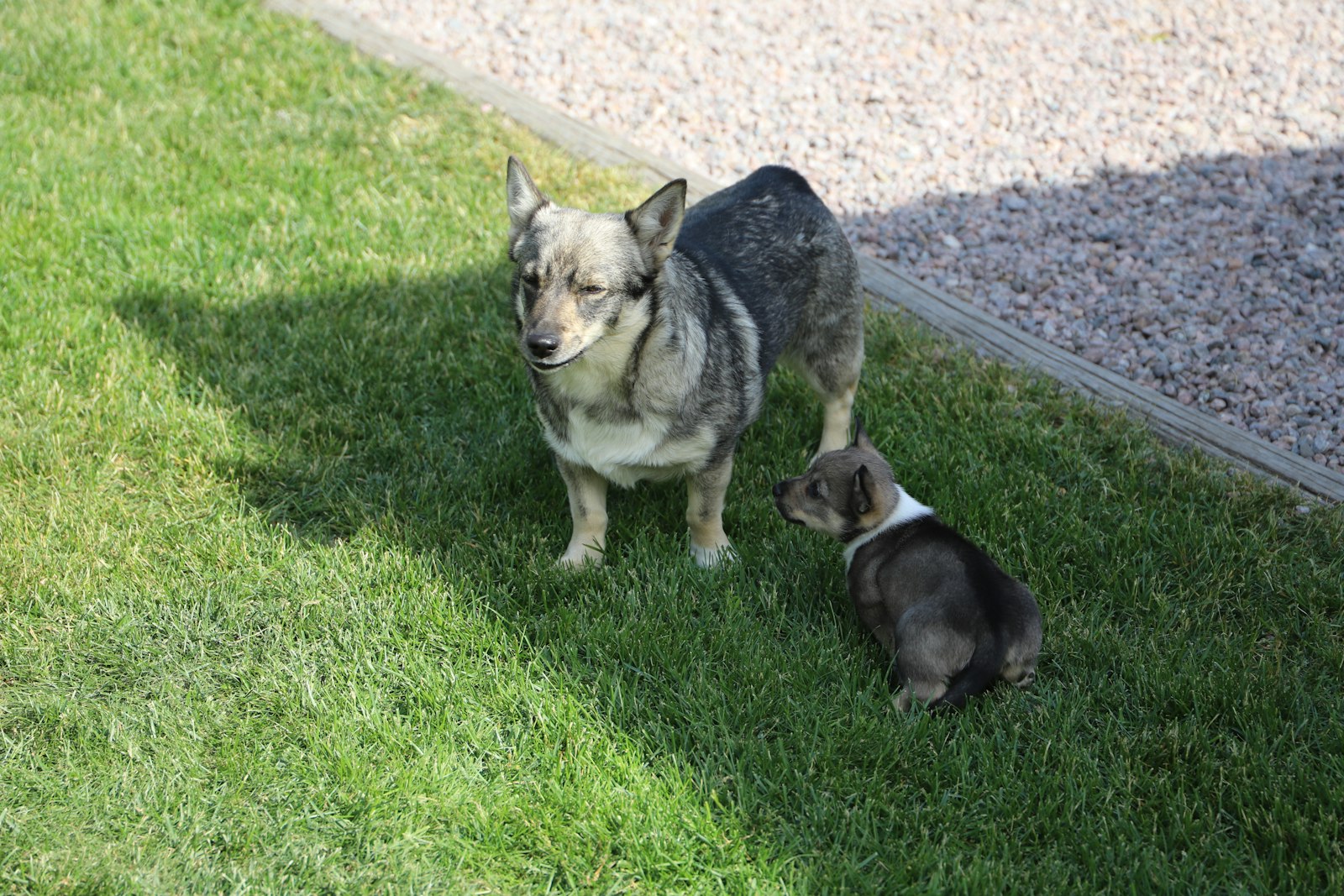
If you are researching dog grooming in Alameda, it helps to think about more than coat type. A dog’s grooming needs also change with age. A puppy learning to stand still on a table has very different needs from an adult dog on a regular schedule, and both are different from a senior dog with sore joints, thinner skin, or less patience for long appointments.
That matters because grooming is not the same service for a dog’s entire life. Coats change. Skin can become more sensitive. Nails may need closer attention. Some dogs get easier to handle with experience, while others get less tolerant as health issues or stress build up. Owners who notice those shifts tend to make better grooming decisions and catch small problems before they turn into bigger ones.
In Alameda, many dogs stay active year-round. Puppies are out exploring on neighborhood walks. Adult dogs may pick up sand, moisture, and debris after time near shoreline paths or local parks. Senior dogs may still enjoy regular outings, but they often need gentler handling and smarter scheduling. Good grooming helps keep dogs comfortable through each stage of life, not just tidy.
Puppies need practice before they need perfect grooming
Many owners assume grooming starts once a puppy looks shaggy or dirty. In reality, it usually starts earlier. The first goal is not a perfect haircut. It is helping the puppy get used to being handled calmly.
That can include brushing, paw handling, nail trims, baths, drying sounds, and standing still for short periods. Even breeds that will eventually need regular haircuts benefit from early, low-pressure exposure before coat maintenance becomes urgent.
This stage matters because puppies form strong impressions quickly. A dog that learns grooming is a normal part of life often becomes much easier to handle later. A dog that only sees grooming once mats appear or fear has already set in may struggle with every visit after that.
For Alameda owners, early grooming basics can be especially useful. Many dogs start active local routines young. They may be walking busy sidewalks, meeting other dogs, or tagging along on errands and outings. That makes simple skills, like allowing paws to be wiped or ears to be checked, more important than they first seem.
At this stage, a good grooming plan usually means short appointments, simple services, and realistic expectations. The aim is familiarity, not perfection.
Adult dogs usually need the most consistent maintenance
Once dogs move past puppyhood, grooming becomes less about introduction and more about upkeep. This is the stage where coat type, activity level, and owner follow-through really start to matter.
A short-coated adult dog may not need an elaborate trim, but grooming still matters. Baths, nail care, ear checks, shedding control, and skin monitoring all count. Double-coated dogs may need regular brushing and de-shedding to stay comfortable. Dogs with curly or continuously growing coats often need a more structured schedule to avoid tangles, overgrowth, and matting.
This is also when owners can get caught waiting too long. A dog may seem fine for weeks, then suddenly have heavy tangles behind the ears, packed fur under the collar, overgrown nails, or buildup around the paws and sanitary areas. Grooming problems often build slowly, then become obvious all at once.
In Alameda, adult dogs often have active, social routines. Walks through neighborhood streets, time near shoreline paths, and visits to parks or patios can put more wear on coats and paws than owners expect. Sand, dampness, and loose debris may not seem like major issues, but they add up. For many adult dogs, regular grooming is what keeps everyday local life from turning into chronic skin or coat trouble.
This is usually the stage when owners benefit most from being honest about what they can handle at home and what should be done professionally. Some people can stay on top of brushing and light cleanup. Others need a groomer to handle the harder parts. Either approach can work. The main thing is consistency.
Midlife can bring coat and skin changes owners do not expect
Many people assume a dog’s grooming needs stay about the same through adulthood. Sometimes they do. But midlife can bring changes that make old routines less effective.
A coat may start holding more undercoat. Skin may become drier. Allergies may become more noticeable. A dog that once tolerated long brushing sessions may become impatient. Weight gain can make home grooming harder because some areas are tougher to reach and keep clean. Even a change in activity level can affect how often a dog needs baths or brushing.
This is one reason regular grooming appointments can be useful beyond appearance. They create chances to notice changes. A groomer may spot irritated skin, ear debris, worn nails, new lumps, or a coat that is becoming harder to manage. Grooming is not veterinary care, but it can help owners pay attention to the dog in front of them now instead of assuming nothing has changed.
For busy households, this is often when practical systems matter most. If a coat is getting harder to maintain, it may make sense to choose a shorter trim, add brushing between appointments, or schedule visits before the dog becomes overdue. The look that once seemed ideal may no longer be the most realistic option.
Senior dogs often need gentler appointments and closer observation
Senior dogs usually need the biggest grooming adjustment of all. The issue is not only coat maintenance. It is comfort.
Older dogs may have arthritis, reduced stamina, hearing loss, vision changes, skin sensitivity, or medical conditions that affect how well they tolerate handling. Standing for long periods may be hard. Drying can feel stressful. Mats may pull more painfully on fragile skin. Nail trims may become more important if the dog is less active and the nails no longer wear down as naturally.
That does not mean grooming should stop. In many cases, senior dogs need it more thoughtfully, not less often. A clean coat, trimmed nails, tidy paws, and clean sanitary areas can make a real difference in comfort. Dogs with limited mobility may be less able to keep themselves clean. Long fur around the feet can affect traction. Overgrown nails can make walking even more uncomfortable.
For older dogs in Alameda, where mild weather often means year-round walks and outings, physical comfort can shape how much they enjoy daily life. A senior dog that can move more easily, stay clean, and avoid painful mats is usually better able to keep doing the things it enjoys.
Owners of senior dogs should look for patience, clear communication, and a willingness to adapt the grooming plan. That may mean shorter sessions, simpler cuts, more breaks, or a stronger focus on maintenance over style.
The best grooming questions change as your dog gets older
The questions owners ask should change with the dog’s stage of life.
With puppies, useful questions include whether the groomer uses a calm introduction process, how first visits are handled, and what the owner should practice at home between appointments.
With adult dogs, the better questions are usually about maintenance. How often should this coat be brushed? How quickly does it mat? Which areas need the most attention? What can the owner do between visits to avoid a shave-down? Is the current trim realistic for the dog’s lifestyle?
With seniors, comfort becomes the priority. Can the appointment be adjusted if the dog cannot stand for long? Are there ways to reduce stress? Would a shorter, simpler groom be easier to maintain? Has the groomer noticed any changes the owner should keep an eye on?
Those questions lead to better decisions because they match the dog’s actual needs, not just the service menu.
Home care still matters, but it looks different at each stage
Owners do not need to do everything themselves, but some home care helps at every age.
For puppies, home care is mostly about gentle practice. Brief brushing, touching paws, lifting ears, and rewarding calm behavior can go a long way.
For adult dogs, home care is more about maintenance. That may include brushing problem areas, wiping paws, checking ears, and noticing when nails, coat, or skin are starting to drift out of shape before the next appointment.
For senior dogs, home care often becomes closer observation. Owners may need to watch more carefully for skin irritation, odor, mobility changes, sensitivity around certain body parts, or signs that a grooming routine that once worked well has become uncomfortable.
The goal is not perfection. It is staying involved enough that grooming does not only happen once the dog is already uncomfortable.
A good grooming plan should grow with your dog
One of the most common mistakes owners make is treating grooming like a fixed task. Puppies need calm introduction. Adult dogs need consistent upkeep. Senior dogs need comfort-focused adjustments. A plan that worked well at one age may be incomplete or unrealistic at another.
That is especially true for dogs with active daily routines. In Alameda, many dogs are not just sitting at home between appointments. They are walking neighborhoods, spending time outdoors, and picking up the ordinary mess of daily life. Their grooming needs reflect that.
If you are comparing dog grooming in Alameda, it helps to look for someone who understands how those needs shift over time. The right fit is often a groomer who can help you adjust the plan before small issues become harder, more uncomfortable problems.
Your dog will not stay the same, and the grooming routine should not stay the same either. When owners adjust for each life stage, grooming becomes less about appearance and more about comfort, health, and day-to-day quality of life.